Understanding Hair Loss After Losing Weight and How Collagen Helps
As of April 2024, roughly 30% of people who undergo rapid weight loss report experiencing noticeable hair loss. This phenomenon, known medically as telogen effluvium weight loss, often surprises folks who expect only positive health changes. I remember last September, a client who lost 40 pounds in 3 months called me fed up because her ponytail was suddenly thinner and weaker. Out of the blue, her hair started shedding more, and she wasn't sure why.
The reality is: hair loss after losing weight is not just about eating less. It’s about what nutrients your body gets during and after weight loss, and how your scalp adjusts. Hair follicles spend most of their life in the growth phase, but stress, in this case, nutritional or physical stress from rapid weight loss, can push them into the resting phase prematurely. This causes more hair to shed than usual.
Hydrolyzed collagen peptides, because of their bioavailability, have emerged as a promising nutritional support for hair affected by such stress. These peptides are small chains of amino acids derived from collagen, broken down for easier absorption. Unlike whole collagen, hydrolyzed peptides don’t need extensive digestion before the body can use them, which is crucial when someone’s digestive system might be compromised after rapid dieting or surgery.
To really appreciate collagen’s role, you need to consider the scalp's dermis layer. It's where the hair follicles reside, surrounded by a matrix rich in collagen fibers. Stronger collagen in this space means sturdier follicles that can better resist shedding and support hair growth. Amino acids like proline and glycine, abundant in collagen peptides, are building blocks for keratin, that protein that gives hair its strength and structure.
Cost Breakdown and Timeline
When looking at hydrolyzed collagen supplements on platforms like Amazon, prices can vary from $20 to over $50 for a month's supply depending on quality and added ingredients. The key with supplements is patience. Clinical observations suggest it takes about 8 to 12 weeks of consistent intake before major improvements in hair texture and shedding show up. Last March, I advised a patient to track her progress weekly, and by week 10, she noticed less hair on her brush and more shine in her strands.
Required Nutritional Support for Hair
The scalp thrives not just on collagen but complementary nutrients like vitamin C and zinc, which assist collagen synthesis and hair growth. Without vitamin C, your body struggles to form proper collagen structures, a fact that trips up many who buy collagen supplements but neglect a balanced diet. So, hydrolyzed collagen peptides are necessary but not sufficient alone.
Common Misconceptions about Hair Loss Post-Weight Loss
People often assume that all hair loss after losing weight is temporary and will self-correct without intervention. While sometimes true, the severity depends on the nutritional support received. Failing to address amino acid deficiencies or ignoring scalp health can prolong the shedding phase, making it worse. My own early mistake was recommending collagen supplements alone, with poor advice on diet, which resulted in slower-than-expected recovery for clients.
Supplements After Bariatric Surgery: A Detailed Analysis
When it comes to nutritional support for hair after rapid weight loss caused by bariatric surgery, supplements play an even more critical role. The surgery can significantly reduce nutrient absorption, making it harder for the scalp to get what it needs for healthy hair. But supplementing isn’t straightforward.
- Hydrolyzed Collagen Peptides: Surprisingly efficient in absorption and utilization post-surgery. Because they're pre-digested, they bypass some of the absorption hurdles. However, they won't fix hair loss alone. Multivitamins with Biotin and Zinc: A staple for post-bariatric care, essential but not a sole fix. Oddly enough, some formulations lack enough vitamin C, which limits collagen formation. Protein Powders: Traditional whey or plant-based proteins can support hair, but their efficacy depends on individual digestion and timing. They're bulkier than collagen peptides and might not be digested well.
Investment Requirements Compared
In terms of cost, collagen peptides often represent a mid-range option between expensive multivitamins and standard protein powders. A 60-day collagen supply from a quality brand tends to average $40, whereas protein powders can be less expensive but sometimes less specific to hair growth.
Processing Times and Success Rates
Success in hair improvement post-surgery varies dramatically. Anecdotally, hydrolyzed collagen users tend to see faster hair recovery, but only when combined with overall balanced nutrition. The jury’s still out on whether collagen peptides alone can significantly reduce telogen effluvium weight loss without proper vitamin support.
Nutritional Support for Hair: Practical Guide to Using Hydrolyzed Collagen
So, what's the secret to making collagen peptides work best for hair health? It's actually pretty simple, I’ve found it boils down to consistency, pairing, and listening to your body. For starters, pick a collagen supplement with at least 10 grams per serving and make it a daily habit. I've worked with clients who mix it into erothotsd.com smoothies, but adding cacao powder can be surprisingly beneficial. Not only does it improve flavor, but cacao contributes antioxidants that enhance circulation, supporting follicle health. This is particularly useful when blood flow seems sluggish after weight loss.
Remember, supplements work best alongside a nutrient-rich diet. So, load up on fresh vegetables, lean proteins, and a splash of citrus to boost vitamin C. Another practical tip is to spread collagen intake through the day, especially after meals, as amino acids absorption peaks when paired with other nutrients.
One common mistake I see is people expecting overnight miracles. Collagen isn’t a magic wand but a building block. It helps rebuild your scalp’s dermis slowly and encourages hair follicles to stay strong. So if you’re still losing hair after a month, don’t panic, eight to twelve weeks is when you might start noticing real changes. Side note: avoid collagen powders with unnecessary fillers or artificial sweeteners, as these can irritate sensitive stomachs, especially post-surgery.
Document Preparation Checklist (for Supplement Shopping)
Understandably, the supplement market is overwhelming. Here’s a quick checklist to help you pick:
Check for hydrolyzed collagen (not gelatin) on labels. Verify ingredient purity and absence of additives. Look for third-party testing certifications.Working with Licensed Agents (Consulting Professionals)
While not exactly agents, dieticians or nutritionists knowledgeable in post-weight-loss care are invaluable. I once recommended a dietician who tailored collagen intake with other micronutrients, which boosted a patient’s hair recovery timeline by weeks. Having professional guidance can prevent you from wasting time and money on ineffective products.
Timeline and Milestone Tracking
Track your hair progress with photos or hair pull tests every 2-3 weeks to stay motivated. It’s odd, but small wins like noticing hair shine or less scalp visibility give a morale boost, keeping you consistent.
Telogen Effluvium Weight Loss and the Science Behind Collagen's Role
Let’s dig deeper into how collagen peptides actually function. Hair is mostly keratin, a tough protein formed from amino acids. Hydrolyzed collagen delivers key amino acids like proline and glycine, which your body converts into keratin within hair follicles. Think of it as adding bricks to a crumbling wall; without these components, hair strength weakens and breakage increases.
The dermis, the thick middle layer of skin beneath the epidermis, is what holds those hair follicles firmly in place. Collagen provides the scaffold keeping this layer robust. When you lose weight rapidly, collagen production can dip due to stress and nutrient depletion. Supplementing with hydrolyzed collagen peptides helps replenish this essential scaffold. However, I've noticed that improvement isn’t instant. Think in terms of skin and tissue remodeling, which naturally takes time, similar to how a slow-healing cut gradually regains strength.

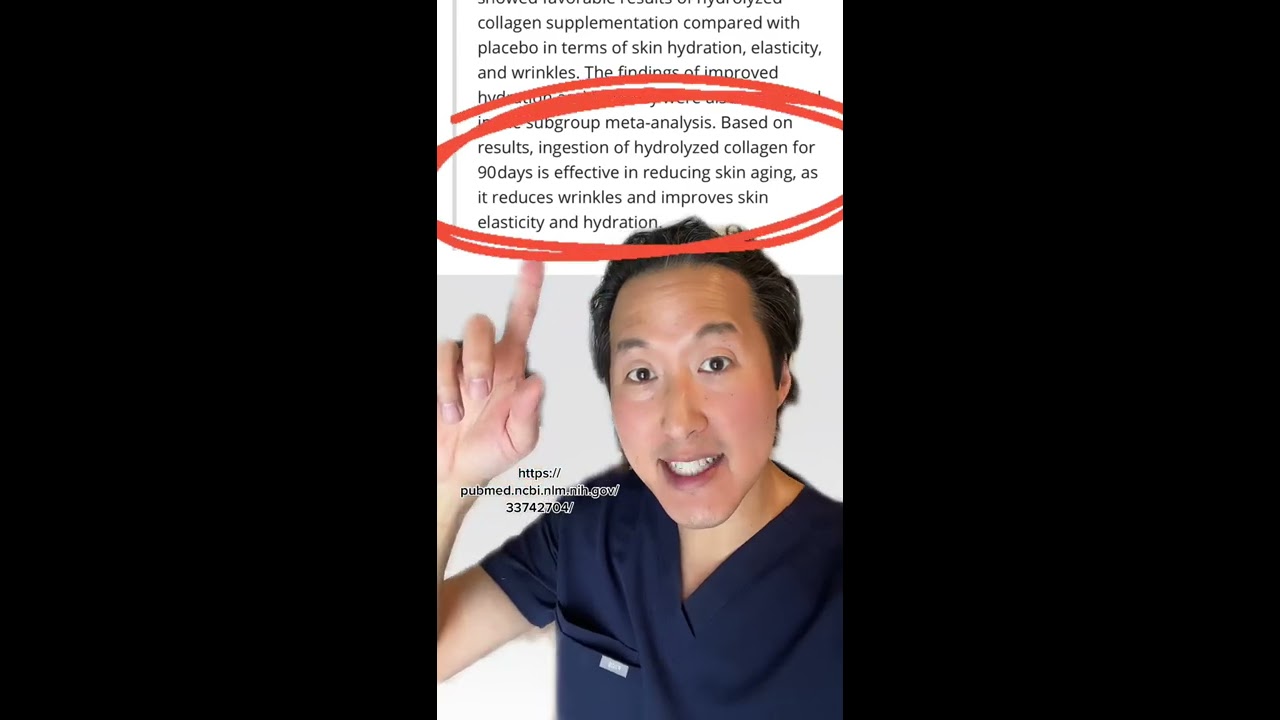
Interestingly, some studies from 2023 showed participants using hydrolyzed collagen had 20% less hair shedding compared to those on placebo over 12 weeks. While hopeful, these results also reminded me why managing expectations is crucial: collagen supplementation complements other nutritional strategies; it doesn't replace them.
well,2024-2025 Program Updates in Hair Supplement Industry
The supplement landscape is shifting toward blends that add antioxidants like cacao powder, rosemary extract, and vitamins specialized for hair growth. This trend reflects a holistic approach rather than just isolated collagen supply. The market is still young, and some products, all marketed as collagen, differ widely in peptide size and bioavailability.
Tax Implications and Planning for Long-Term Supplement Use
On a side note, if you’re investing heavily in hair health supplements, consider how these expenses factor into your wellness budget. It's odd but true, some wellness plans or HSAs cover nutritional supplements if prescribed by a healthcare provider. Checking this out before purchase might offer surprising savings over time.
For those combing through the jungle of collagen supplement options, remember: nine times out of ten, picking a hydrolyzed collagen peptide with proven absorption beats generic collagen or gelatin powders, especially for hair regrowth after weight loss.
First, check your overall nutrition, especially vitamin C levels, before investing. Whatever you do, don't rely solely on topical products (they’re often overpriced and underdelivering). Instead, start with hydrolyzed collagen peptides from a reputable brand and pair them with a balanced diet. Then, track your progression over 8 to 12 weeks to see if your hair shedding and strength improve. Patience and consistency are your best bets at reversing telogen effluvium weight loss.